 Reviews



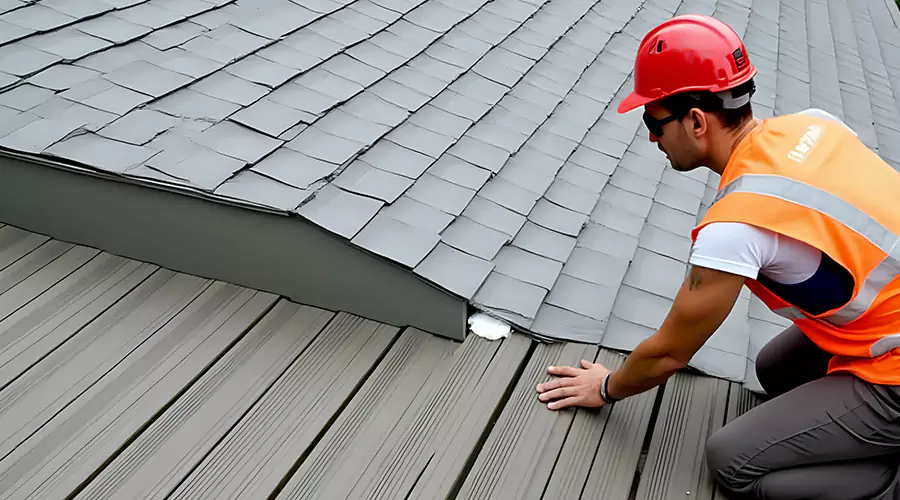
Many homeowners notice small sand like particles collecting in gutters or near downspouts and wonder if it is a sign of roof damage. These particles are known as shingle granules, and they play an important role in protecting a roofing system from weather exposure and long term deterioration. While some granule loss is normal over time, excessive shedding may indicate that the roof is aging or experiencing damage.
Understanding what shingle granules do and why they fall off can help homeowners recognize roofing problems early and take action before serious issues develop. If granule loss becomes noticeable or continues to increase, it may be a sign that the roof needs inspection and possible shingle roof repair to maintain proper protection and prevent further deterioration.
What Are Shingle Granules?
Shingle granules are small crushed mineral particles embedded into the surface of asphalt shingles. These granules create the textured outer layer visible on most residential roofs.
Granules are typically made from:
- Crushed stone
- Ceramic coated minerals
- Slate particles
- Quartz materials
Manufacturers apply granules to asphalt shingles during production to improve durability and weather resistance.
Why Shingle Granules Are Important?
Granules are much more than decorative roofing material. They provide several important protective functions that help extend roof lifespan.
Protection From Sunlight
Granules shield asphalt shingles from ultraviolet rays.
Without this protective layer, shingles may:
- Dry out faster
- Crack prematurely
- Become brittle
- Warp from heat exposure
Fire Resistance
Some roofing granules help improve the fire resistance of asphalt shingles.
Weather Protection
Granules provide an added barrier against:
- Rain
- Wind
- Hail
- Snow
- Temperature fluctuations
Improved Roof Appearance
Granules also give shingles their color and textured appearance.
Different granule blends allow homeowners to choose from various roofing styles and colors.
Is Granule Loss Normal?
Some granule loss is completely normal, especially on newer roofs.
New asphalt shingles may shed loose granules shortly after installation. Small amounts of granules collecting in gutters during the first few months are usually not a major concern.
However, ongoing or excessive granule loss may indicate roofing problems that require professional attention.
Common Causes of Shingle Granule Loss
Several factors can cause granules to loosen and fall from roofing materials.
Aging Roof Materials
One of the most common causes of granule loss is natural roof aging.
Over time, exposure to:
- Sunlight
- Rain
- Wind
- Temperature changes
- Moisture
Gradually weakens asphalt shingles and loosens granules.
Older roofs are more likely to experience widespread granule deterioration.
Severe Weather Damage
Storms can cause significant granule loss, especially during hailstorms or high winds.
Hail Damage
Hail impact may knock granules loose and expose the asphalt layer beneath shingles.
Signs of hail related granule loss include:
- Dark spots on shingles
- Dented roofing materials
- Granule buildup in gutters
Wind Damage
Strong winds can lift shingles and increase friction between roofing materials.
This movement may loosen protective granules over time.
Poor Roof Ventilation
Improper attic ventilation can trap heat beneath the roof surface.
Excessive attic temperatures may:
- Accelerate shingle aging
- Dry out asphalt materials
- Increase granule shedding
Balanced roof ventilation helps regulate temperatures and improve roof performance.
Foot Traffic on the Roof
Walking directly on asphalt shingles can loosen granules, especially during hot weather.
Excessive roof traffic from:
- Maintenance work
- Satellite installation
- Storm inspections
May contribute to premature wear.
Low Quality Roofing Materials
Lower quality shingles may lose granules faster than premium roofing products.
Poor manufacturing quality can reduce resistance against:
- Weather exposure
- Ultraviolet rays
- Moisture damage
- Wind uplift
Investing in durable roofing materials can improve long term roof lifespan.
Improper Roof Installation
Incorrect roofing installation may contribute to premature granule loss.
Common installation problems include:
- Poor ventilation setup
- Improper shingle placement
- Incorrect fastening
- Inadequate underlayment installation
Improper installation may shorten the lifespan of roofing materials.
Signs of Excessive Granule Loss
Homeowners should monitor their roof for warning signs that granule shedding may be becoming severe.
Common Warning Signs
- Large amounts of granules in gutters
- Bare spots on shingles
- Uneven roof coloration
- Dark exposed asphalt areas
- Curling or cracked shingles
- Roof leaks
- Water stains on ceilings
Visible bare spots often mean shingles are losing their protective surface layer.
Why Excessive Granule Loss Should Not Be Ignored?
Granules protect shingles from weather damage and sunlight exposure. Once they begin falling off in large amounts, the roof becomes more vulnerable to deterioration.
Ignoring granule loss may lead to:
- Roof leaks
- Premature roof aging
- Cracked shingles
- Moisture intrusion
- Mold growth
- Higher energy costs
- Structural damage
The exposed asphalt beneath shingles deteriorates much faster without granule protection.
How Granule Loss Affects Roof Lifespan?
A roofing system depends on intact shingles to protect the home.
When granules disappear, shingles may:
- Absorb more heat
- Become brittle
- Lose flexibility
- Crack during storms
- Fail earlier than expected
Advanced granule loss often indicates that a roof may be approaching the end of its usable lifespan.
Roof Inspection and Granule Loss Evaluation
Professional roof inspections can help determine whether granule loss is normal aging or a sign of significant damage.
Roofing professionals may inspect:
- Shingle condition
- Roof ventilation
- Flashing areas
- Storm damage signs
- Moisture intrusion
- Structural roof components
Early inspections can help homeowners plan repairs before major leaks develop.
Roof Repair vs Roof Replacement
The best solution depends on the severity of the granule loss and overall roof condition.
When Roof Repair May Be Enough?
Repairs may work if:
- Damage is isolated
- The roof is relatively new
- Only a few shingles are affected
- Structural components remain intact
When Roof Replacement May Be Necessary?
Replacement may be recommended if:
- Granule loss is widespread
- Multiple shingles are damaged
- Roof leaks are present
- Roofing materials are aging
- Structural moisture damage exists
A roofing contractor can recommend the most effective long term solution.
Tips to Help Prevent Excessive Granule Loss
Routine roof maintenance can help reduce premature roofing deterioration.
Schedule Regular Roof Inspections
Inspections help identify roofing problems early.
Maintain Proper Roof Ventilation
Balanced airflow helps control attic heat and moisture.
Clean Gutters Regularly
Removing debris helps improve roof drainage.
Address Storm Damage Quickly
Prompt repairs can prevent worsening roof deterioration.
Limit Roof Foot Traffic
Avoid unnecessary walking on shingles whenever possible.
Final Thoughts
Shingle granules play a major role in protecting asphalt roofing materials from sunlight, moisture, and weather related damage. While some granule loss is normal over time, excessive shedding can indicate aging, storm damage, poor ventilation, or roofing problems that require attention.
Regular roof inspections, proper attic ventilation, and routine maintenance can help homeowners extend roof lifespan and reduce the risk of leaks and structural damage. Addressing granule loss earl